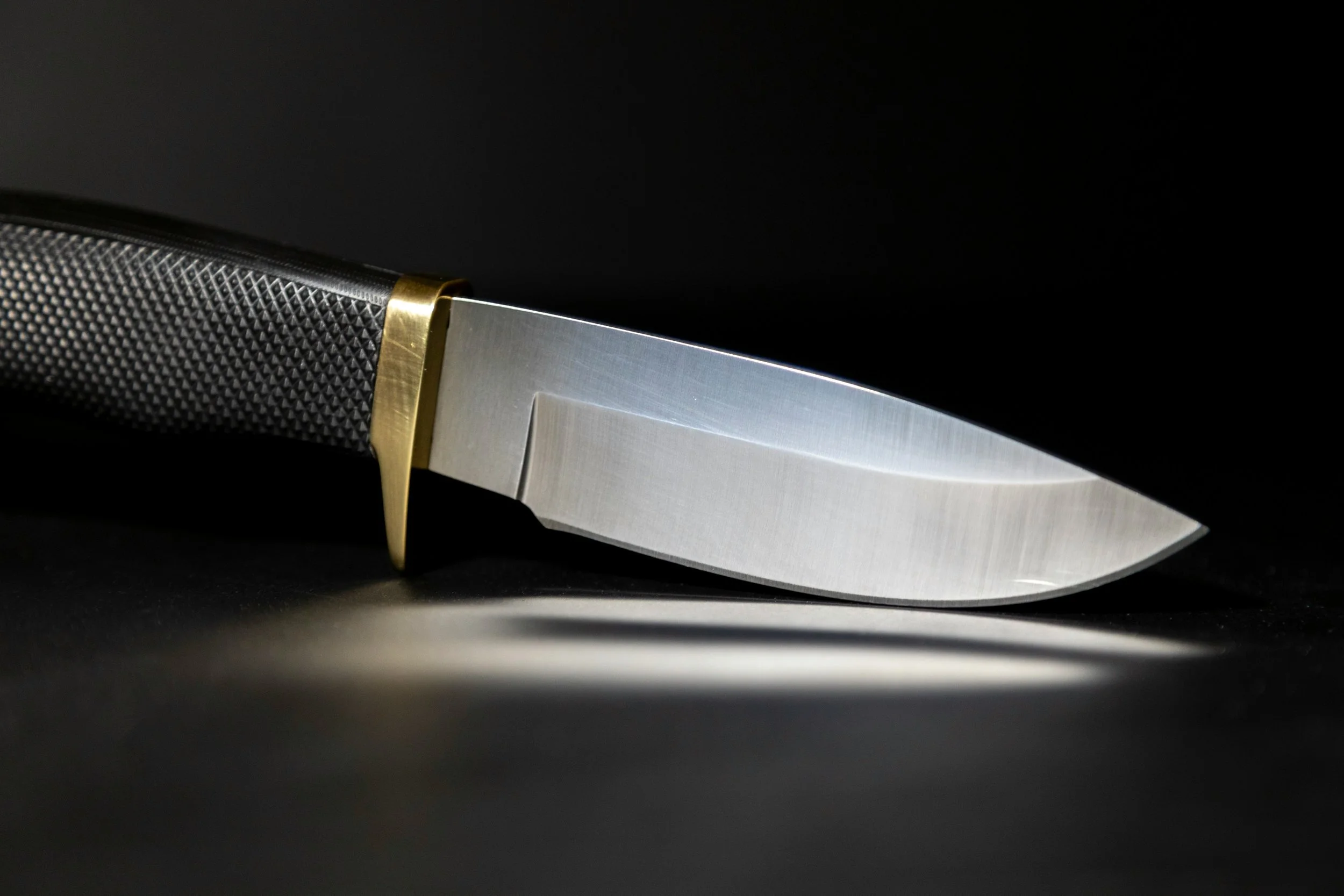
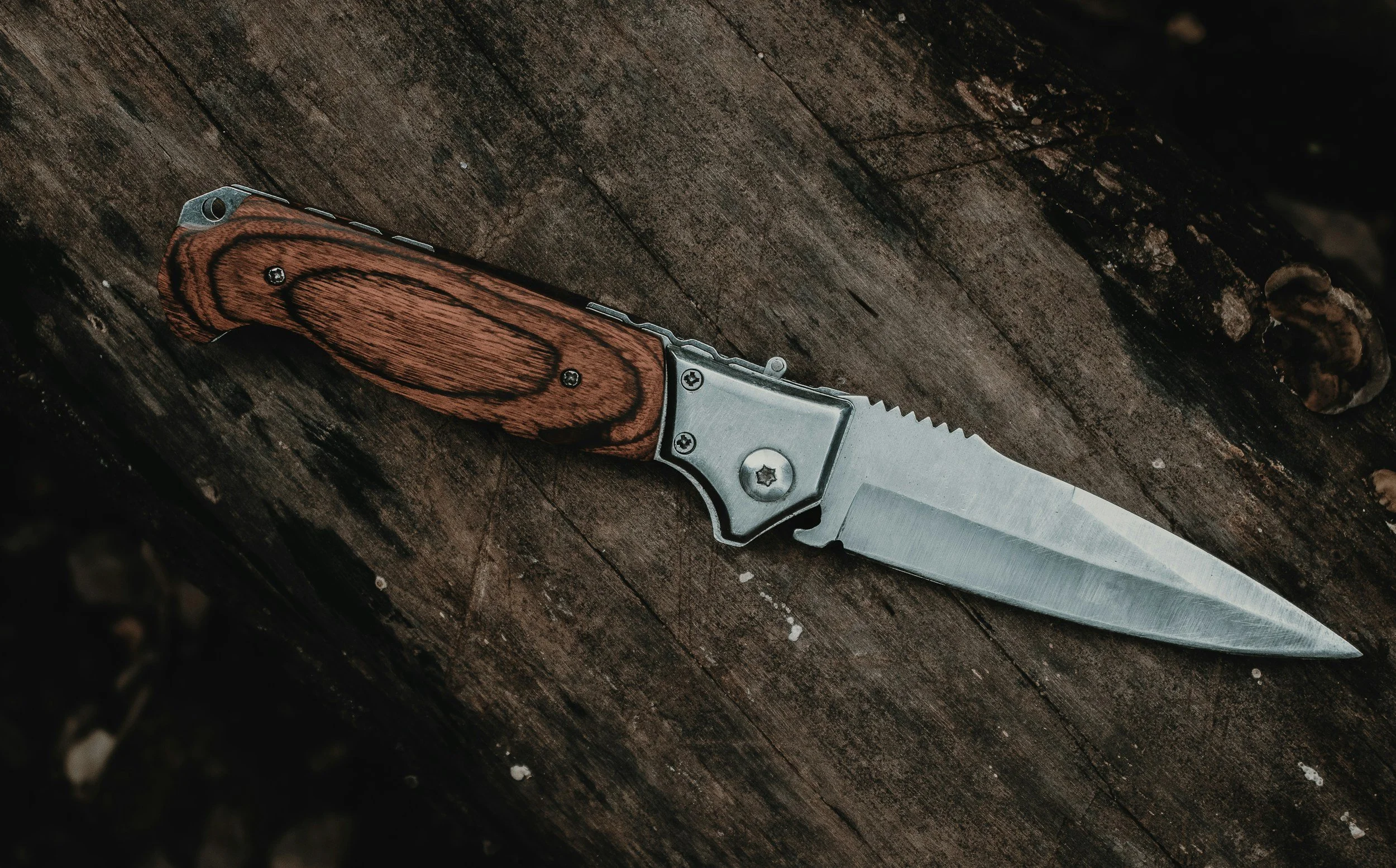
cleaning knives

Cleaning your blade
Blade hygiene is one of the most important safety practices in knifeplay.
A blade that has been in contact with skin, blood, bodily fluids, lubricant, or anything else used in a scene needs to be cleaned properly before and after every use. This applies whether or not skin was broken.
Cleaning your blade is not an optional extra or an overly cautious version of knifeplay. It is part of knifeplay. It is part of the trust.
Why cleaning matters
A blade that looks clean is not necessarily clean.
Residue can remain in serrations, decorative grooves, textured handles, folding joints, or anywhere moisture is trapped. Blood, sweat, lubricant, skin cells, and bacteria can remain on the blade even when you cannot see them.
A dirty blade can increase the risk of infection, damage the knife over time, contaminate the sheath or storage container, and create unnecessary risk the next time it is used.
The blade does not determine the risk. The care you take does.
Basic blade cleaning for knifeplay
Wear disposable gloves when handling any blade that has been in contact with blood, bodily fluids, or broken skin. Do not reach bare-handed into containers or bags holding used blades.
Wash the blade with warm water and mild detergent or soap. Remove any visible debris carefully, using a soft cloth or soft brush if needed. Pay particular attention to serrations, grooves, textured handles, and folding joints. Dry the blade completely before storing - moisture can damage both the blade and any storage materials.
For blades that have been in contact with blood, use a disinfectant suitable for metal instruments after cleaning. If using a diluted bleach solution, rinse and dry the blade afterwards, as bleach can corrode some metals over time.
For scenes involving cutting or significant skin contact, use a registered antiseptic or disinfectant appropriate for your specific blade material. Always check compatibility: carbon steel, decorative finishes, wood, bone, antler, and coated blades may all require different care.
Store it properly
A blade is not ready to put away until it is completely clean and completely dry.
Do not put a damp or recently used knife straight back into its sheath. A sheath can trap moisture, blood, lubricant, or bacteria and transfer it back onto the blade later.
Leather sheaths should be wiped and allowed to dry fully. Nylon or fabric sheaths should be cleaned according to the manufacturer's instructions. Plastic or kydex sheaths can usually be washed and dried more thoroughly.
Store cleaned blades in a dry, covered location away from dust and moisture. The knife and the sheath both need to be clean.
Bloodborne pathogens and knifeplay
When knifeplay involves breaking skin, the risk of bloodborne pathogen transmission becomes relevant.
The three bloodborne pathogens of greatest concern are HIV, hepatitis B, and hepatitis C. These can be transmitted when infected blood comes into contact with another person's open wound, cut, or non-intact skin.
Intact, unbroken skin is generally an effective barrier. Once there is broken skin, the risk changes.
Hepatitis B is vaccine-preventable. If you engage in edge play that may involve blood contact, consider discussing hepatitis B vaccination with your GP or sexual health clinic.
There is currently no vaccine for HIV or hepatitis C. If you believe there has been a significant blood-to-blood exposure during a scene, seek advice promptly.
If you think you have been exposed to HIV
PEP (post-exposure prophylaxis) is medication that can reduce the risk of HIV infection after a possible exposure. PEP needs to be started within 72 hours — the earlier the better.
In Australia, PEP is available through GPs, sexual health clinics, and hospital emergency departments. If you think you may need it, seek help immediately rather than waiting to see what happens.
National PEP guidelines and a service locator: pep.guidelines.org.au
Wound care after knifeplay
For minor cuts or abrasions: wash the area gently with clean water, apply an appropriate antiseptic if needed, and cover with a clean sterile dressing. Monitor over the following days for increasing redness, swelling, warmth, pain, or discharge.
Know the difference between a wound you can manage and one that needs medical attention. Seek medical care for deep cuts, heavy or uncontrolled bleeding, wounds to the face, neck, hands, joints, genitals, or anywhere near major blood vessels, injuries you cannot confidently clean or close, or any signs of infection.
Getting medical help is part of doing this well.
Cleaning as part of aftercare
For some people, cleaning the blade becomes part of the scene ending.
The intensity has passed. The adrenaline is coming down. You are washing hands, checking in, wiping down the blade, putting things away carefully, making tea, sitting quietly together.
That small act can reinforce something important: this was done with care. We are still here. We are looking after each other.
Before you put it away
Ask yourself:
Is it completely clean? Is it completely dry? Is the sheath clean and dry too? Would I feel comfortable using this knife again exactly as it is now?
If the answer is no, take another few minutes. The scene is not over until the blade is safely cleaned and put away.
Sources used on this page
The guidance on this page draws on infection control and bloodborne pathogen guidance from recognised Australian and international health bodies. These sources are written for healthcare and personal appearance settings rather than BDSM or knifeplay specifically, but the infection control principles apply.
Australian National Health and Medical Research Council (NHMRC), Australian Guidelines for the Prevention and Control of Infection in Healthcare (2019, updated 2022)
Queensland Health, Infection Control Guidelines for Personal Appearance Services (August 2024)
US Centers for Disease Control and Prevention (CDC), Guideline for Disinfection and Sterilization in Healthcare Facilities (2008, updated 2024)
Australasian Society for HIV, Viral Hepatitis and Sexual Health Medicine (ASHM), Australian National Guidelines for Post-Exposure Prophylaxis after Non-Occupational and Occupational Exposure to HIV, pep.guidelines.org.au
Healthdirect Australia, guidance on PEP, accessed April 2025
Therapeutic Goods Administration (TGA), Australian Register of Therapeutic Goods (ARTG)
A note on medical guidance
Health advice changes over time. This page reflects guidance available at the time of writing (April 2025) and is not a substitute for advice from a GP, sexual health clinic, infection control professional, or other qualified health practitioner. Nothing on this page constitutes medical advice.
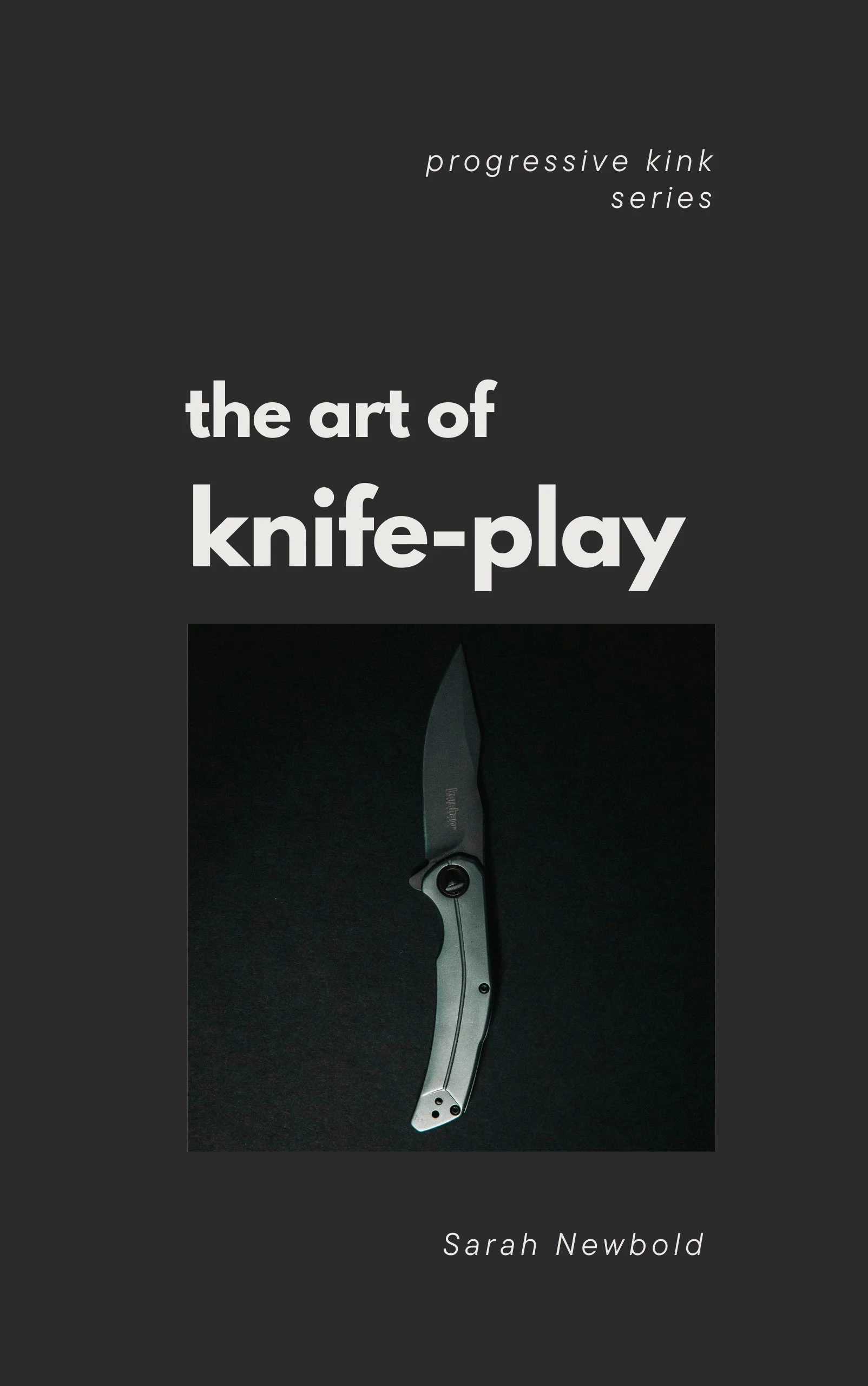
The Art of Knife Play is the resource the community has needed - practical, affirming, and written by kink-affirming therapist, Sarah Newbold, who understands both the psychology and the practice.
If you're ready to step into knife play in an informed, safe and considered way, this is your starting place.
Published in 2025, this one of the few contemporary resources available on knife play.